
What is a focus group?
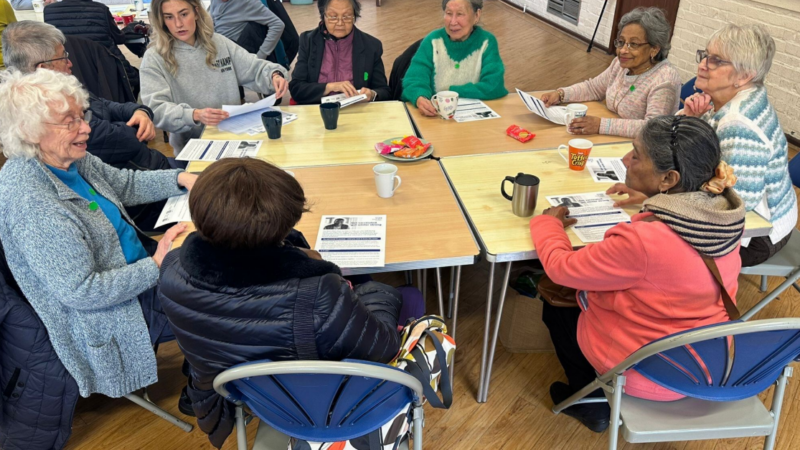
A focus group is a method of research which brings together 6 to 10 people for guided discussion on a specific topic or with a specific group of people.
Focus groups are usually guided by a facilitator who asks questions and prompts for more detail, usually they last between 60 to 90 minutes.
Participants are selected in advance and represent a snapshot of time and experiences of those people involved. They do not represent others but can give you a better understanding that you can use to achieve the goals of your focus group.
Why use a focus group?
Focus groups offer:
- Free flowing conversations which allow you to learn about complex issues.
- Insight into people’s experiences, attitudes, feelings and beliefs – which is more in depth or personal than other research methods.
- High levels of interaction due to small group sizes.
- The ability to test solutions or to explore the group’s perspective of a problem and generate ideas.
- Opportunities to clarify and confirm what is being said to enhance your understanding of someone’s comments, which is more difficult with other research methods, such as written surveys.
Focus groups are good for people who are not comfortable talking in large groups, or people who are not willing or able to give written answers.
They also work well for people who find other types of engagement activity inaccessible such as surveys or longer meetings.